BPC-157 Beginner Buying Tips: What to Check First
First-time BPC-157 buyer? Check vial size, bacteriostatic water, COA documents and storage requirements before placing your order. No dosing advice.
If this is your first time engaging with BPC-157, the process may seem overwhelming. Issues such as vial sizes, lyophilized powders, COA documents, and bacteriostatic water all come into play. All that can be a lot to take in, for an act that is rather straightforward. So we created this page with clients that are new to BPC-157 in mind. On it, we discuss the product, what you need to buy with it in terms of supplies, how to quality-test it, and how to store it.
What BPC-157 Actually Is
BPC-157 is a synthetic peptide. It consists of 15 amino acids arranged in a specific sequence (GEPPPGKPADDAGLV) derived from a protein found in human gastric juice. The compound appears in over 100 published preclinical studies, mostly from a research group at the University of Zagreb. All of those studies were conducted in animals or cell cultures. No completed randomized human clinical trial has been published.
If you are new to BPC-157, it is imperative to be informed about its classification as a research chemical. This means that it has not been approved by the FDA for use in humans as therapy. Instead, it is sold by the retailers as a product that is “for research purposes only,” which truly represents its status under the law.
- Amino acid count
- 15
- Sequence
- GEPPPGKPADDAGLV
- Form sold
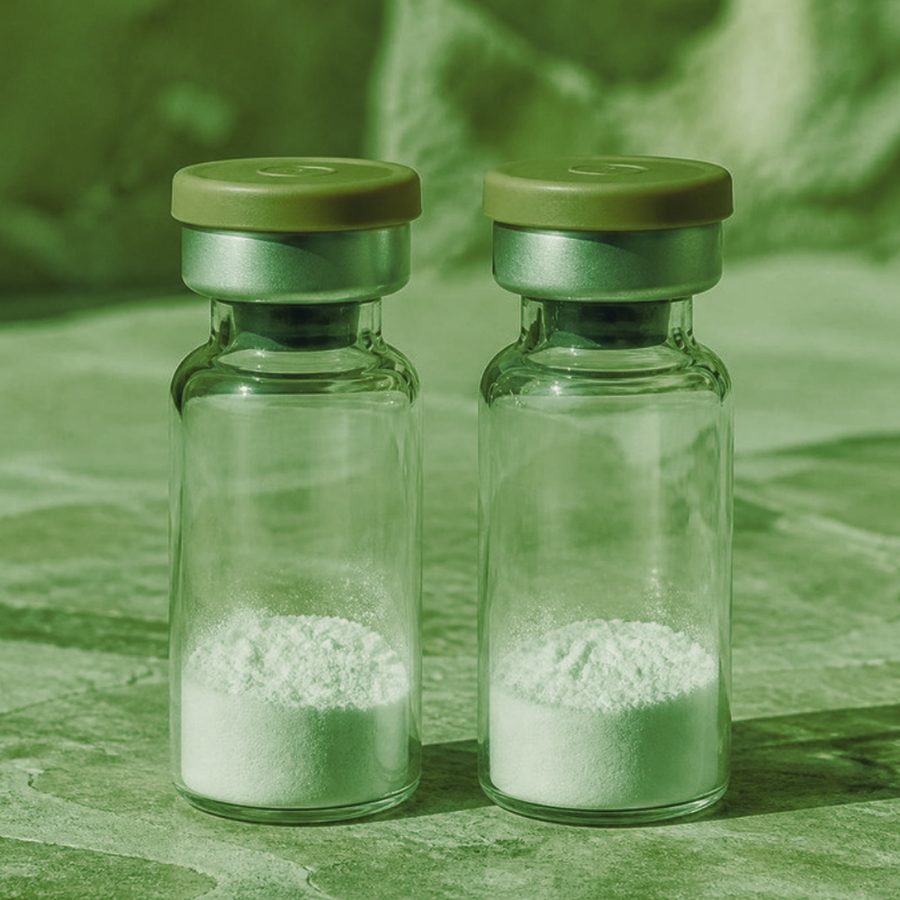
- Lyophilized (freeze-dried) powder in glass vials
- Classification
- Research chemical
- FDA approval
- Not approved for human use
- WADA status
- Prohibited (S0 category, since 2022)
- Published animal studies
- 100+
- Published human trials
- 0 completed
Vial Size - 5mg vs 10mg
BPC-157 is sold in vials of various sizes. The most popular sizes are 5mg and 10mg. The measurement denotes the number of milligrams of peptide powder present in the vial. Although larger vials have a higher price tag, they cost less per each milligram, which signifies their true worth.
| Vial Size | Vendor | Price | Price per mg | Who It Suits |
|---|---|---|---|---|
| 5mg | PeptideGod | $34.95 | $6.99 | First purchase, lower total cost |
| 10mg | PeptideGod | $59.95 | $6.00 | More peptide per vial, moderate savings |
| 10mg | Real Peptides | $43.20 | $4.32 | Best value per mg, published COA |
For BPC-157 newcomers who aren't sure about placing a larger order, the 5mg PeptideGod vial for $34.95 is the least expensive option. However, the cost per milligram is 62% higher than Real Peptides' larger 10mg vial. If you have already decided to proceed with your order, the larger 10mg vial is the better option. You can find more details regarding the ordering process in our step-by-step buying guide.
Bacteriostatic Water - Why You Need It
What It Does
The peptide comes in its powdered form which is freeze-dried and cannot be used in this state. Bacteriostatic water must be used to dissolve the powder. This bacteriostatic water contains 0.9% of benzyl alcohol which helps to preserve the solution by stopping the growing of the bacteria. That is the reason why the water is considered bacteriostatic, not just sterile water. If someone uses simple water, the vials won't be safe for multiple times use.
Where to Buy It
Real Peptides offers USP-certified bacteriostatic water in a 10ml vial for $4.80 (sale price, previously $9.60). By adding it to your peptide purchase, you will receive everything in one shipment. PeptideGod does not provide information about bacteriostatic water on their website, making it necessary for customers to order it from another source. Bacteriostatic water is available from medical supply stores and certain pharmacies. Whichever source you’re using, make sure it is USP-certified and sealed. For comparisons of the vendors, please refer to our best online sources page.
COA - The Document That Matters Most
What to Look For on a COA
A Certificate of Analysis (COA) is the report prepared by the laboratory that shows what is in the vial. For those who are new to BPC-157, it is like proof of identity and quality of the product. A good COA contains information about the purity level of the product (using HPLC), confirmation of its identity (through mass spectrometry), amount of endotoxins, screening for heavy metals as well as the name of the laboratory. The lot number on your COA must match the lot number on your vial.
The absence of a COA leads to implicitly believing that the vendor's statement regarding what is in the vial is true. However, this is far from being the way research-grade purchasing is meant to work. The COA alone serves as an independent means of verification.
Vendors With Published COAs
Real Peptides maintains a public COA database with 157 certificates covering 82 compounds. Their primary testing lab is Kovera. Each certificate shows a 6-panel test: HPLC purity (stated at 99%+), LC-MS identity, sterility, endotoxin (LAL method per USP 85), heavy metals (ICP-MS) and conformity. PeptideGod does not publish COA documents on their product pages. We report only what is visible on each vendor's site.
- Purity test
- HPLC, look for 98%+ (Real Peptides states 99%+)
- Identity test
- LC-MS (mass spectrometry) confirms the peptide sequence
- Endotoxin test
- LAL method, per USP 85
- Heavy metals
- ICP-MS screening
- Lab name
- Should be an independent, named laboratory
- Lot match
- COA lot number must match your vial
Storage Before and After Opening
Lyophilized Powder
The peptide is most stable before water is added. Store closed vials in a freezer at -20 C. The peptide can last for many months or even years under these conditions. Room temperature is acceptable for periods of short duration, such as a few days of shipping. If there is more than one vial of peptide, one should keep the extra vials frozen and use one at a time.
After Reconstitution
Once bacteriostatic water is added, the solution must be refrigerated at 2-8 C. Use it within 2-4 weeks. Do not freeze a reconstituted vial. Wipe the vial stopper with an alcohol pad before each draw to prevent contamination. If the liquid looks cloudy, has particles floating in it or has changed color, discard the vial. Degraded peptide is not just less effective. It may also contain breakdown products you do not want. Our reconstitution calculator shows the concentration for any vial size and water volume combination.
Five Things to Check Before You Pay
BPC-157 for novices really comes down to a simple checklist. Go through this list of five things before placing any order.
- COA is published and current Confirm the vendor has lot-specific testing data from a named independent lab. No COA, no verification.
- Price per milligram is clear Compare vendors on cost per mg, not sticker price. Real Peptides 10mg at $4.32/mg. PeptideGod 5mg at $6.99/mg, 10mg at $6.00/mg.
- Shipping reaches your location Real Peptides ships US only (2-4 business days). PeptideGod ships to 28 countries from California. Check shipping and customs for details.
- Payment method works for you Real Peptides offers Bank Pay (ACH) for 10% off. PeptideGod uses Shopify checkout. See payment options for the comparison.
- Bacteriostatic water is in the cart You need it for reconstitution. Real Peptides sells a 10ml vial at $4.80. If ordering from PeptideGod, source it separately.
Visit our trusted brands page to find everything you need to know to effectively compare brands in terms of testing, shipping and return policies.
Talk to a Doctor
The FDA has not approved BPC-157. There have been no clinical trials done in humans. All data published includes data from animal and cell cultures. Before making any purchase or experimenting with any research peptide, consult a licensed medical professional. A doctor assesses your particular health issues, looks over your medication for any potential interactions, and recommends whether the research peptide is suitable or not.
FAQ - BPC-157 for Beginners
What size BPC-157 vial should I start with?
PeptideGod's 5mg vial at $34.95 requires minimal upfront cost. Real Peptides' 10mg vial at $43.20 ($4.32/mg), on the other hand, gives you the highest value in terms of cost per mg of peptide. Most newbies using BPC-157 begin with just the 10mg vial since they get considerable savings per mg.
Do I need a prescription to buy BPC-157?
Nope. BPC-157 is available as a research chemical and does not require a prescription. It is not considered a controlled substance in the USA. However, it is not approved by the FDA meaning that no physician will recommend it as a drug. Buyers buy directly from the peptides manufacturer.
How do I store BPC-157?
Before freezing, the unmixed powder should be placed in the freezer at -20 °C and remain there for months to years. Once bacteriostatic water has been added, the mixture requires refrigeration at 2-8 °C for 2-4 weeks. Never freeze the reconstituted solution. It is essential to keep the vial closed until it is used, and disinfect the rubber cap with an alcohol swab before every usage.
What is a certificate of analysis?
A Certificate of Analysis is a laboratory document from an independent testing organization that verifies purity, identity and safety of the peptide. It should contain data on HPLC purity, confirmation of identity by mass spectrometry and test results on endotoxin and heavy metal content. Real Peptides issues specific COAs for each batch produced, while PeptideGod does not publish certificates of analysis.
Can I take BPC-157 orally?
BPC-157 was originally obtained from gastric juice and has a unique ability to remain stable despite its acidity. Some suppliers sell this peptide in capsule form, although as of right now PeptideGod and Real Peptides do not sell capsules. The standard method to use this peptide is the lyophilized powder vial. There is no advice about dosing or administration on this website.
Is BPC-157 safe?
There have been no human safety trials done. Animal research shows no toxic effects for any doses used, but results from animal studies cannot be considered as applicable for humans at once. The FDA said that for BPC-157, there is "a lack of information about possible harm to humans." The most significant aspect that beginners using BPC-157 need to be aware of is uncertainty. Consult with your doctor regarding the risks before making a decision.
Compare the current picks
Prices, sizes and ratings side by side, updated when the merchant pages change.
Shop BPC-157