Five Common Peptide Reconstitution Mistakes to Avoid
Five common errors when reconstituting lyophilized peptides like BPC-157. Wrong water type, excessive force, temperature mistakes and contamination risks.
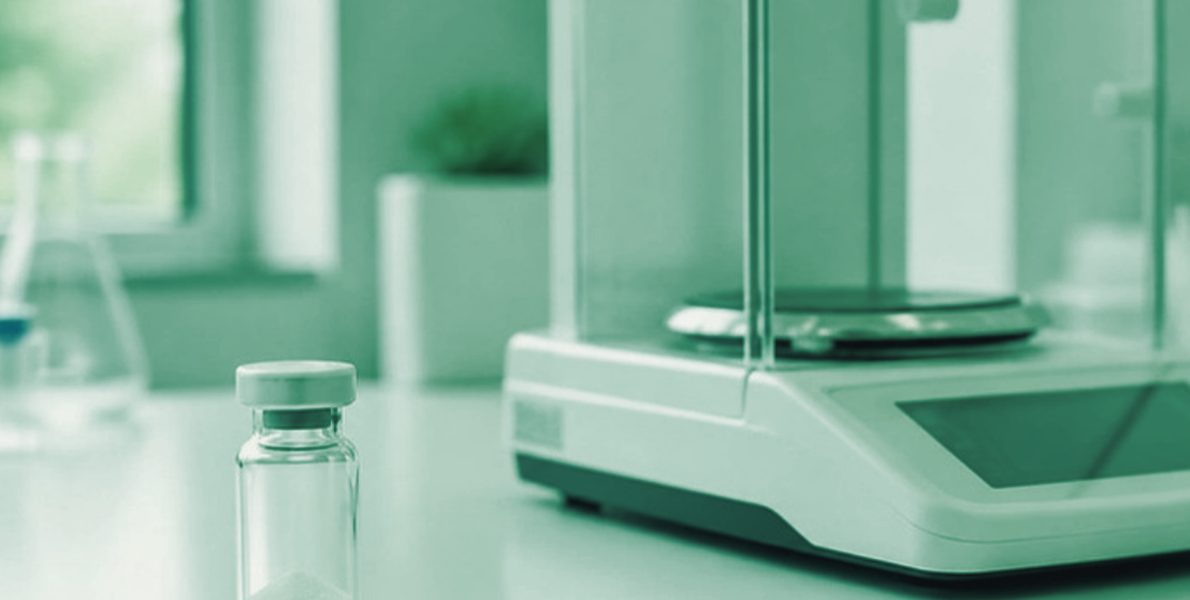
The process of reconstituting a lyophilized peptide seems straightforward. Just add water, stir, and chill in the refrigerator. However, if one small mistake is made during the procedure, it can ruin the peptide before it is even injected. Wrong diluent selection, pouring the water into the peptide powder, using the wrong method of shaking the vials making cocktails, leaving the injected solution on a countertop, and reusing the syringe until it is dull are among common errors that ruin the entire process of reconstitution of the peptide. This article explains the most common mistakes people make during the reconstitution process of the peptide, why they matter, and how to avoid them. If you are still deciding where to buy the peptide, read our beginner buying tips beforehand.
Why Reconstitution Technique Matters
BPC-157 and similar research peptides arrive as a freeze-dried (lyophilized) powder. That powder is stable at room temperature for months. Once you add water, the clock starts. Reconstituted peptides are vulnerable to heat, mechanical stress, microbial contamination, and oxidation. A 2008 study in the Journal of Pharmaceutical Sciences demonstrated that mechanical agitation alone produces measurable aggregation in protein solutions, with headspace volume and agitation intensity both influencing the rate of aggregate formation. Aggregated peptides may lose biological activity or trigger immune reactions.
Proper technique keeps the peptide intact and the solution sterile. Sloppy technique wastes money and creates safety risks. The difference between the two is about 5 minutes of careful preparation.
- Peptide form
- Lyophilized (freeze-dried) powder
- Preferred diluent
- Bacteriostatic water (0.9% benzyl alcohol)
- Storage after mixing
- 2-8 C (standard refrigerator)
- Shelf life (bac water)
- Up to 28 days refrigerated
- Shelf life (sterile water)
- Use within 24 hours
Mistake 1 - Using the Wrong Water
There is no uniformity among different types of water. Water from the tap, bottled water, or distilled water purchased from a shop cannot be used to dilute injectable peptides. At the very least, the dilutor needs to be sterile, and in case of multi-doses, it should be preserved from bacteria between dosages as well.
Bacteriostatic water (BAC water) contains 0.9% benzyl alcohol as a preservative. A 2023 review in Pharmaceutics confirmed that benzyl alcohol is one of the four most commonly used antimicrobial preservatives in licensed multi-dose protein and peptide therapeutics. The preservative inhibits microbial growth for up to 28 days after the first puncture of the vial, which is why BAC water is the standard choice for peptides dosed over multiple days or weeks.
Sterile water for injection lacks a preservative. Once punctured, bacteria can colonize the vial within hours. If you must use sterile water, treat the reconstituted peptide as single-use and discard whatever remains after one session. The FDA has warned that using non-pharmaceutical-grade ingredients in injectable preparations carries a high risk of contamination with microbes and endotoxins. Tap water fails on every count: it is non-sterile, contains chlorine, dissolved minerals, and potentially bacteria.
| Diluent | Sterile | Preservative | Multi-Dose Use | Shelf Life After Mixing | Notes |
|---|---|---|---|---|---|
| Bacteriostatic water (0.9% benzyl alcohol) | Yes | Yes | Yes | Up to 28 days at 2-8 C | Standard choice for peptides |
| Sterile water for injection | Yes | No | No | Use within 24 hours | Single-use only once opened |
| Normal saline (0.9% NaCl) | Yes | No | No | Use within 24 hours | May alter peptide solubility |
| Tap water | No | No | No | Not applicable | Never use for injection |
| Distilled water (grocery store) | No | No | No | Not applicable | Not sterile, not for injection |
Mistake 2 - Injecting Water Directly Into the Powder
The cake that has been lyophilized, which can be found at the bottom of a vial containing peptides, is not too strong. It is made out of loose materials so that it can dissolve softly when applied to liquids. However, if for example the plunger was pushed down hard and sprayed water directly at the cake, the likely outcome is that peptide chains break and foaming occurs. This means that more peptide is compromised since more of it is exposed to the interface of the air and liquid.
The proper technique would be to direct the needle at the interior surface of the vial near its edge, and allowing the water to move gradually down the side of the vial before settling at the bottom. The powder starts to dissolve as soon as it comes into contact with the water. This technique ensures minimal mechanical damage and avoids the emergence of bubbles which might prevent the peptide from dissolving.
Studies on pharmaceutical proteins indicate that the air-water boundary is among the main places where aggregation begins. As noted by a 2016 study published in the Journal of Pharmaceutical Sciences researcher, there is a synergistic effect of cavitation and agitation on protein aggregation. The more bubbles one generates, the more accessible surface there is for peptides to come apart.
- Swab the vial stopper Wipe the rubber stopper of both the peptide vial and the BAC water vial with an alcohol prep pad. Let dry for 10 seconds.
- Draw water into the syringe Use a fresh syringe to pull the desired volume of bacteriostatic water. Check our reconstitution calculator to determine the correct volume for your target concentration.
- Insert needle at an angle Pierce the peptide vial stopper and angle the needle tip toward the inner glass wall, not toward the powder cake.
- Depress the plunger slowly Let the water trickle down the glass wall. This should take 15-30 seconds, not 2 seconds.
- Withdraw the needle Remove the syringe without disturbing the vial further. Some powder may remain undissolved. That is normal.
- Swirl gently Hold the vial between your palms and roll it back and forth. Do not shake, flick or invert aggressively. Within 1-3 minutes, the solution should be clear.
- Inspect and refrigerate Hold the vial up to a light. The liquid should be clear and free of visible particles. Place it in the refrigerator at 2-8 C immediately.
Mistake 3 - Shaking Instead of Swirling
Individuals use shaking to speed up the dissolving process of peptide vials. Meanwhile, the process works for smoothie preparation, but it does not work for the peptide solution. The process of vigorous shaking creates air-liquid interfaces, forms bubbles, and exposes dissolved peptide molecules to shear stress, which alters the structure of the peptides.
According to Kiese et al. In their 2008 mechanical stress study, it was observed that samples with increased volume of headspace tend to produce more aggregation products under shaking conditions. The results showed that when there is space for liquid movement inside the bottle, the shaking mechanism increases contact between the liquid and the air and then results in greater damage. The largest samples with minimum volume of headspace did not have detectable protein damage damage even when shaken the same way. Since the majority of the peptide vials have some headspace (e.g. A 3mL vial with 1mL of solution), shaking is very destructive.
A gentle swirling of the vial between your hands at a slight angle dissolves the lyophilized powder while avoiding the harmful impact of turbulence. If after a few minutes of swirling the powder still hasn’t dissolved, place the vial in a fridge for 15-20 minutes. The low temperature slows down the dissolving process slightly, but the peptide usually dissolves independently. If there is still solid material after 30 minutes, the peptide might have been spoiled in transport or storage and it should be discarded.
Mistake 4 - Storing at the Wrong Temperature
Lyophilized peptides stay stable in a cold dark area. Some merchants send them in a cold pack, and some send at room temperature. However, when these peptides are in a reconstituted form, the conditions change. BPC-157 must be kept at a temperature between 2-8 degrees Celsius, which is the normal refrigeration temperature.
A group of suggestions released in Clinical Chemistry (2016) detailed methods for storing solutions of peptides: short-term storage at 4 degrees Celsius for up to 3 months or long-term storage at -20 to -80 degrees Celsius. The authors also cautioned against repeatedly freezing and thawing the peptides since this procedure damages the peptides by forming ice crystals and the concentration effects resulting from ice formation at the boundary between the ice and the liquid.
In practical terms, that means storing your reconstituted vial in the refrigerator main part instead of the door (temperature changes when you open the door) or freezer. If you have reconstituted with bacteriostatic water, you must consume it within 28 days. If you have used sterile water, ensure that you consume it within 24 hours. Do not forget to put the date on the label of the vial when you have reconstituted it.
Exposure to light is another aspect to consider. Peptide solutions are vulnerable to damage from ultraviolet light or bright sunlight. Though amber containers can be useful, they are not a preventive measure for many peptide products that use transparent glass bottles. Store your peptide in its box or cover it properly with aluminum foil.
Mistake 5 - Reusing Syringes or Contaminating the Vial
There is always a risk for contamination every time a needle is placed in a bottle. Every single time a solution is drawn, the needle and syringe should be new and sterile. If a syringe is reused, bacteria, skin cells, and debris from the environment can potentially be introduced into the solution containing peptide in. The bacteriostatic agent in BAC water reduces the likelihood of bacteria growing, but does not sterilize the impure solution.
The FDA's 2018 congressional testimony on drug compounding discussed how unhygienic conditions in a single compounding pharmacy caused over 750 infections and 60 deaths in 20 states in 2012. Although the instance in question dealt with professional compounding rather than individuals, the basic concept applies to any situation: failure to follow sterile procedures leads to infections.
Additional contamination risks that people overlook:
- Drawing from the vial in a bathroom, kitchen or garage where airborne particles are high.
- Failing to swab the vial stopper before each draw.
- Leaving the vial uncapped or exposed to open air.
- Using fingers to steady the needle against the stopper, transferring skin bacteria.
- Storing syringes loosely in a drawer without packaging, picking them up, then using them.
Prepare your doses in a clean, well-lit area. Wash your hands thoroughly beforehand. Treat the process with the same seriousness you would treat any injection. Because that is exactly what it is. If you are looking for tested, third-party verified products, our guide to Get BPC-157 Online Safely in 2026 covers vendor selection in detail.
FAQ - Peptide Reconstitution
What water should I use for BPC-157?
*Bacteriostatic water for injection* (USP) which has the approval of 0.9% benzyl alcohol as its preservative. It acts as the regular diluent of all the peptides that are drawn for a lot of injections over days to weeks. Sterile water for injection can be used if a unit is going to be used in one sitting but unlike bacteriostatic water gives no antimicrobial protection after the very first puncture.
How do I add water to a peptide vial?
Tilt the tip of the syringe towards the inner side wall of the bottle and gently press the plunger. The liquid should run down smoothly along the walls of the flask, but not be injected directly into the powder. After introducing the water, remove the needle and hold the bottle in your hands to gently turn it round until the powder dissolves completely.
How long does reconstituted BPC-157 last?
When reconstituted with bacteriostatic water and stored at 2-8 C, most vendors and published storage guidelines suggest a window of up to 28 days. When reconstituted with sterile water (no preservative), use the solution within 24 hours. The Hoofnagle et al. Recommendations in Clinical Chemistry noted that peptide solutions at 4 C remain stable for up to 3 months under controlled laboratory conditions, but that timeline assumes research-grade handling with minimal vial punctures.
Can I freeze reconstituted peptides?
We do not advise this. When frozen, a solution that has been reconstituted will produce ice crystals that will be harmful to the peptide structure. It will also subject the peptide to degradation pathways related to the degradative effects of thawing. Repeated freezing and thawing will make this damage even worse. If peptides need to be stored for more than 28 days, keep them in frozen, lyophilized form at -20 degrees celsius until ready to reconstitute.
What happens if I shake the vial?
Agitation leads to creation of the air-liquid interface and subjecting the dissolved peptide to shear forces. Research done on pharmaceutical proteins verifies the fact that agitation leads to the creation of sub-visible particles as well as aggregates. Kiese et al. Discovered that the volume of headspace in the vial influenced the extent of damage due to shaking. In other words, greater headspace means more aggregate formation. Gentle rotation is the right approach. If the vial had been shaken only once by mistake, the peptide is likely still good for use. However, constant shaking over time will ruin the peptide for good.
It is recommended to consult your doctor before using any peptide. BPC-157 has not been approved by the FDA for use in humans. No controlled studies on humans have been conducted yet. The references in this article are provided for educational purposes only and should not be used instead of medical advice. A doctor may check your health condition and consider your possible interactions with medications you are taking before helping you decide whether it is appropriate for you to use any peptide at all.
Keep reading
Online Peptide Market Grows as New Vendors Enter in 2026
The online research peptide market expanded in 2026 with new vendors and COA databases. How market growth affects BPC-157 pricing and availability.
GMP Certification in Peptide Manufacturing: What It Means
What GMP certification means for peptide manufacturing. How current Good Manufacturing Practice standards apply to research peptide vendors and what buyers can verify.

Australia Schedules BPC-157 as a Controlled Substance
Australia TGA placed BPC-157 in Schedule 10 in 2023, banning its sale and import. What the scheduling decision says and how it affects international buyers.
Compare the current picks
Prices, sizes and ratings side by side, updated when the merchant pages change.
Shop BPC-157